Rogue Browser
- 500 MB with four tabs open
- Six processes
- 339 MB installed
- 0.4% of the CPU sitting still
- Reads only the tabs you pick, and cites them
Rogue Browser
A native Mac app with Chromium inside. Ask about the page you have open, compare only the tabs you picked, and keep the answer next to the sources it came from.
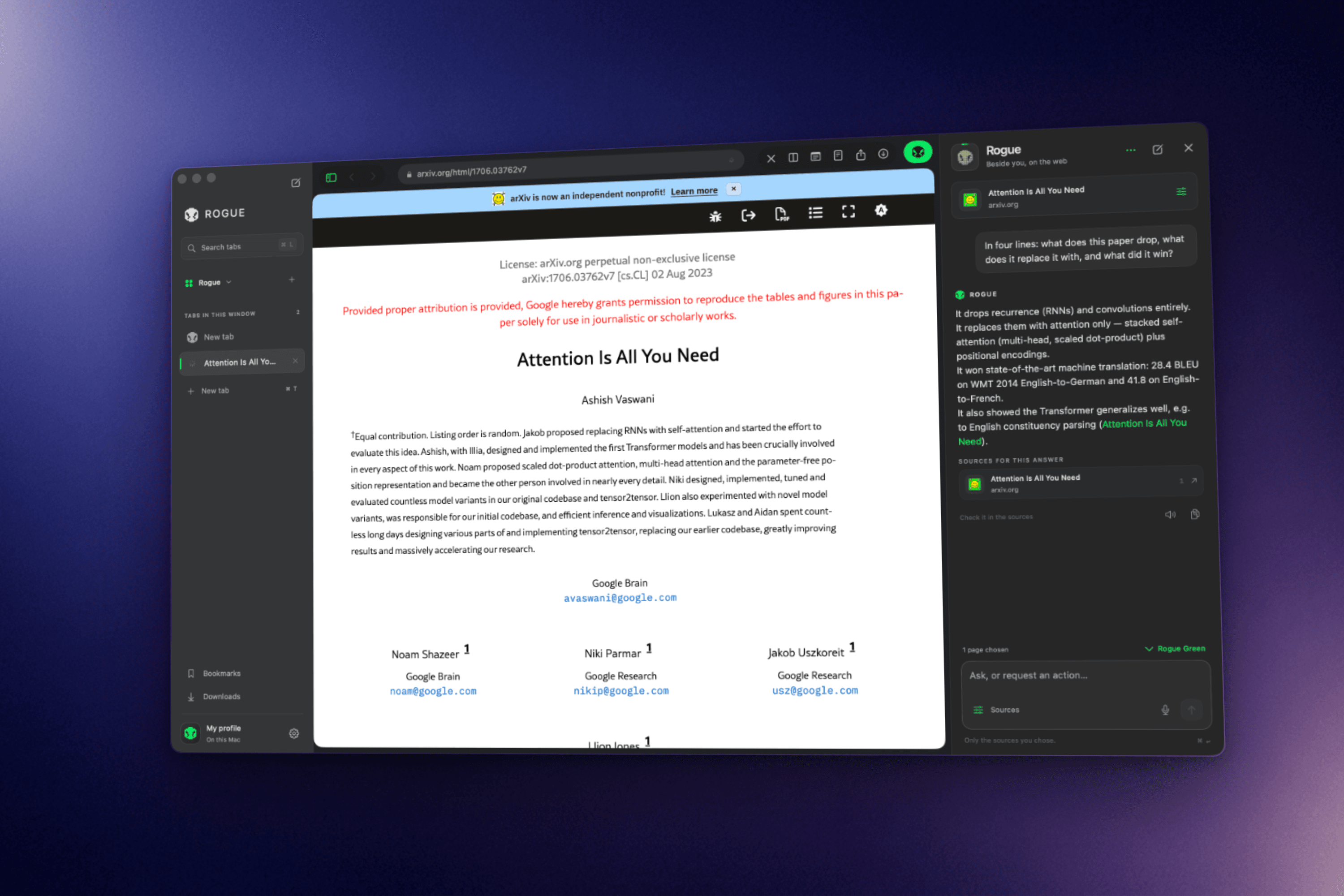
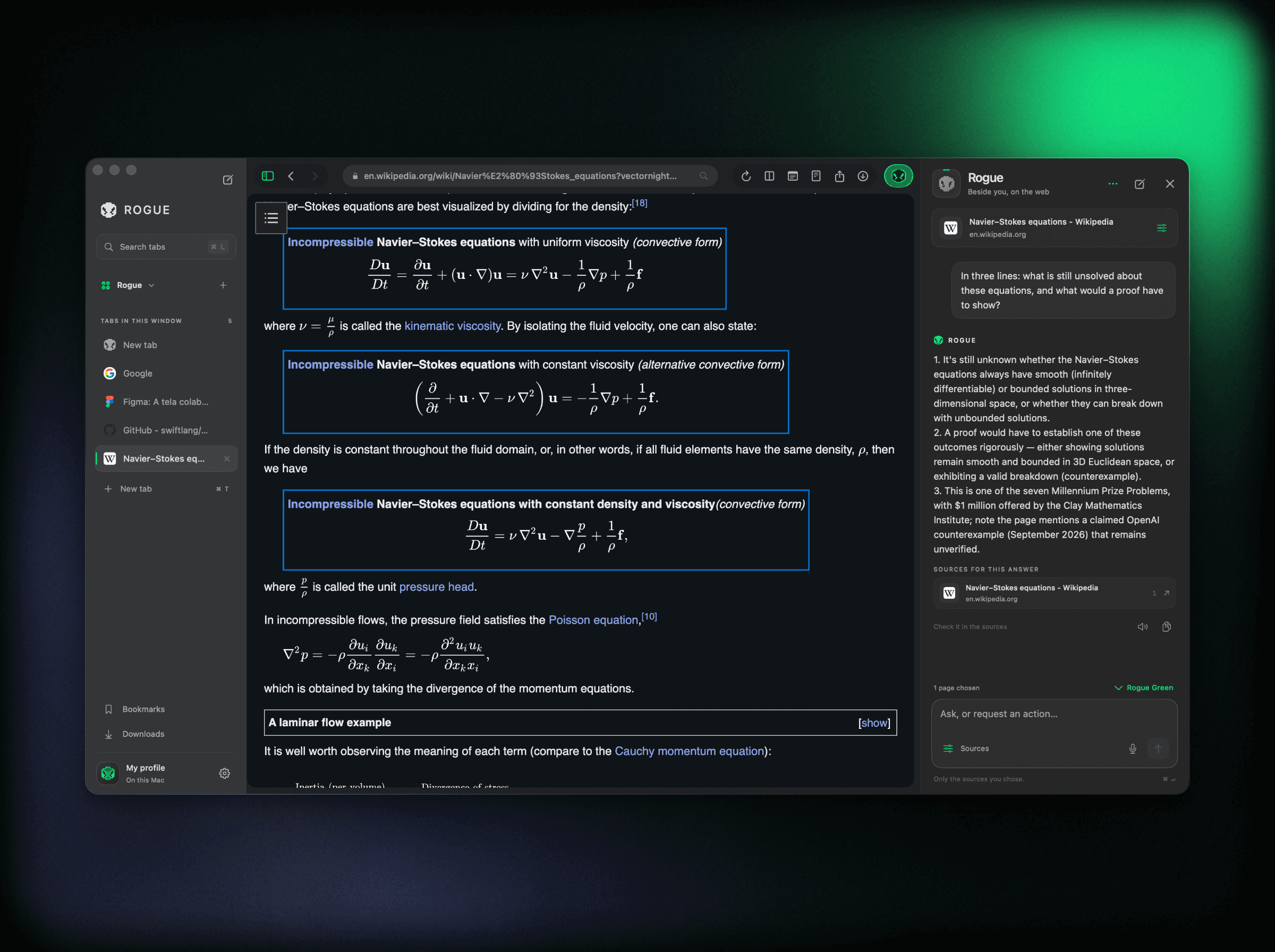
Summarise
Press the Rogue button and ask. The sidebar reads the rendered text of that tab, answers in the panel beside it, and keeps the page one click away under the answer. It answers from what is there: when the page does not say, it says so instead of filling the gap.
Everything below ships in the preview you can download today
The sidebar reads the page in front of you, so the question can be about what you are looking at instead of a link you paste somewhere else.
Pick up to eight tabs as sources. One answer, built from those pages and nothing else.
Each answer keeps the pages it came from one click away, and separates what was on the page from what was missing.
Any article stripped down to the text, in the same window, without a second app.
Split the window and keep the reference open while you work on the other half.
A set of tabs per project. Close them, come back later, and the set is still there.
Groups proposed from titles and addresses. You apply them, or you undo them.
Select text anywhere and get a short answer in a card on the page, without losing your place.
The interface speaks both. Pick one in Settings, reopen, and the whole window follows.
It checks on every launch and downloads in the background. When the new version is on disk, one line at the top: restart and update, or later.
Save the excerpt, the question and the answer together, with the link back to where it came from.
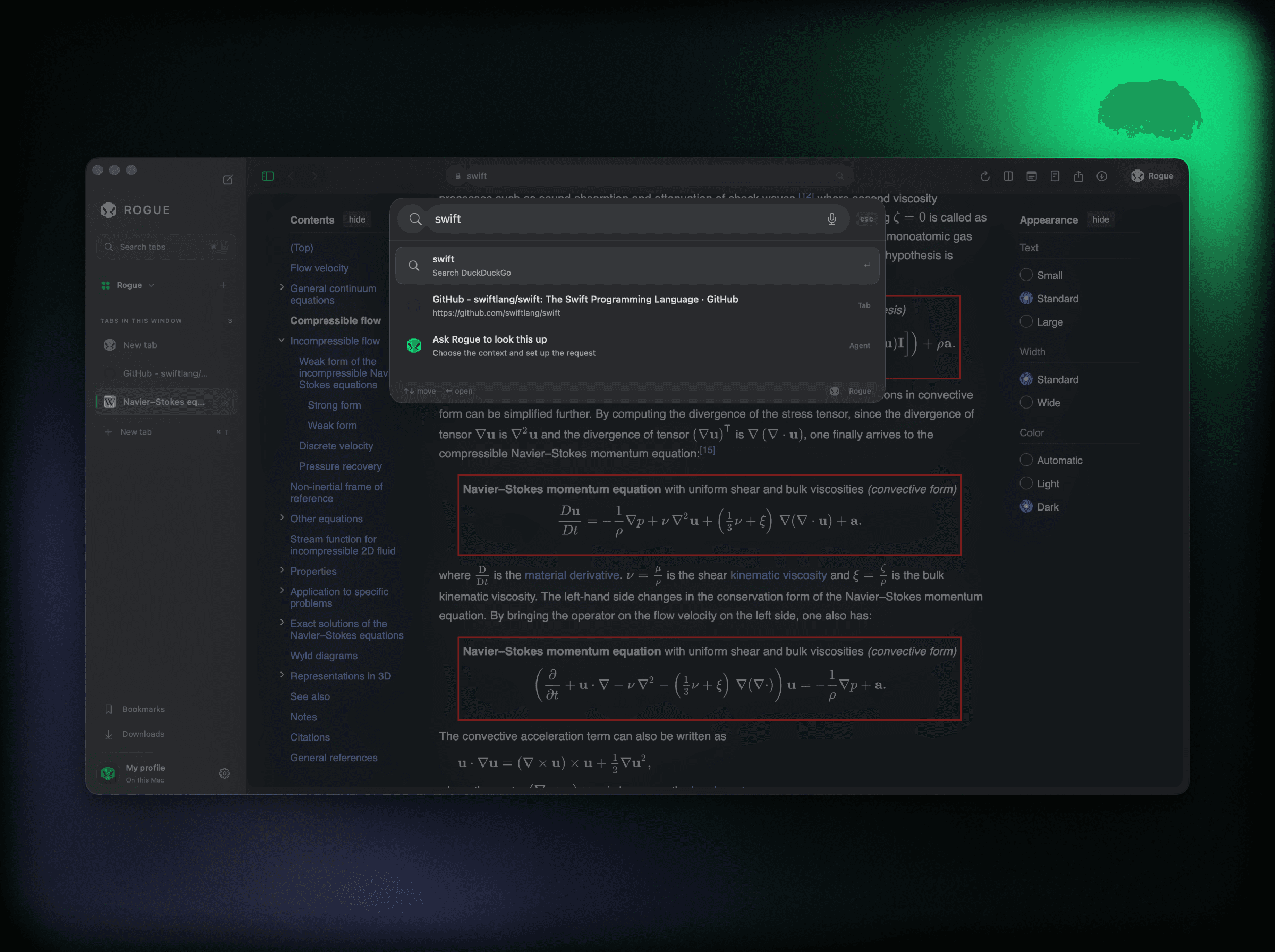
Native
The interface is written in Swift and drawn by the Mac itself: real menus, real windows, real materials, the shortcuts you already know. Only the page inside it is Chromium, so the web works exactly as it does anywhere else. Nothing here is a website pretending to be an app.
Measured, not claimed
Same engine, Chromium 152.0.7977.83 in both. What changes is everything around it
Both opened cold with the same four tabs: google.com, figma.com, github.com and the Navier–Stokes article on Wikipedia. MacBook Pro, Apple M5 Max, macOS 26.4. Memory is the phys_footprint of the whole process tree, the number Activity Monitor shows. Median of four runs, read one minute after launch, and again after three.
Where Chrome is ahead: extensions, every platform with sync, and sixteen years of hardening. It also puts its window on screen about a third of a second sooner.
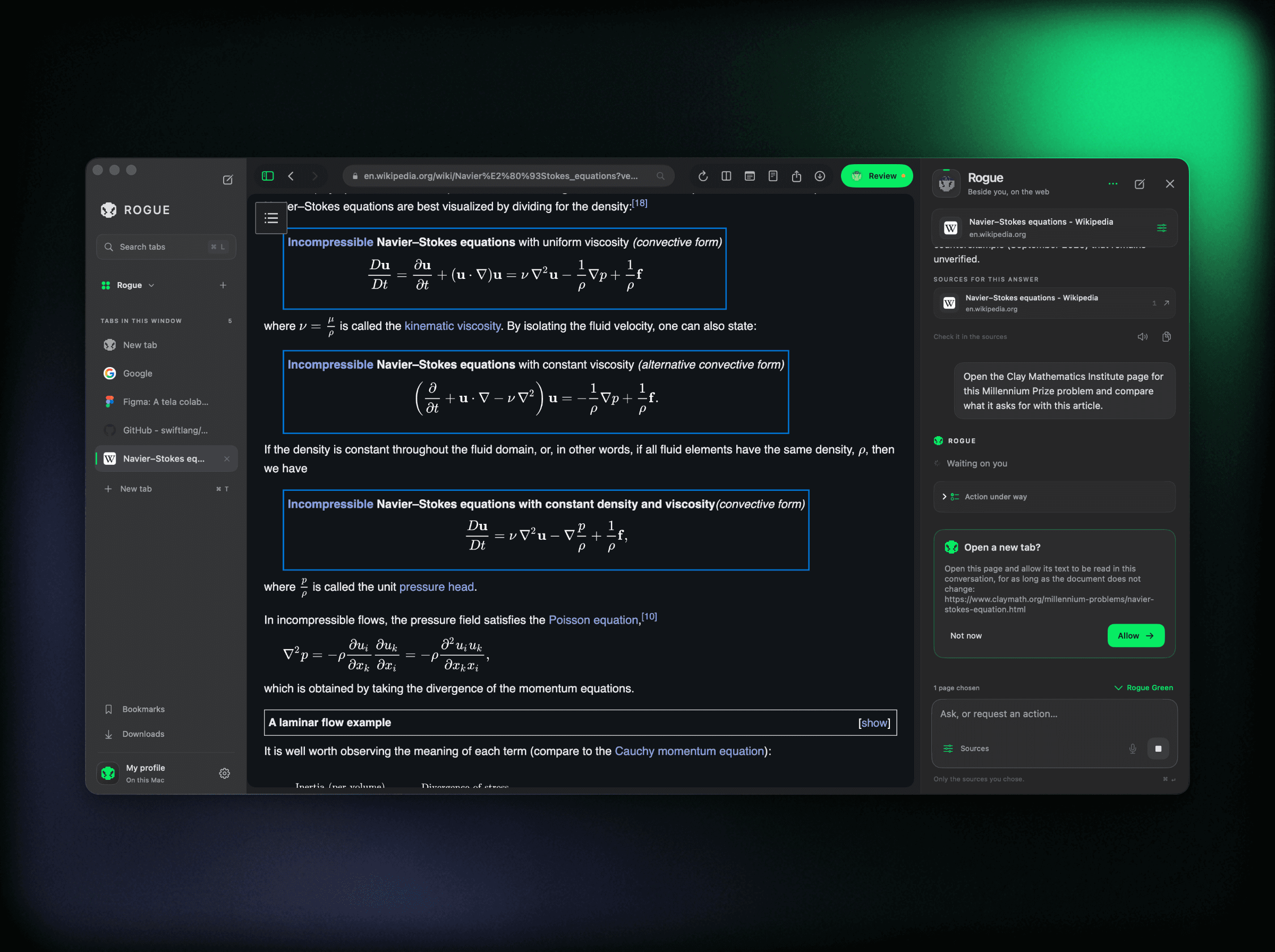
Beyond reading, Rogue has a set of browser tools: it can open a page, inspect it, scroll, click and fill fields. Every step outside what you asked for stops and shows you the exact address before it goes anywhere.
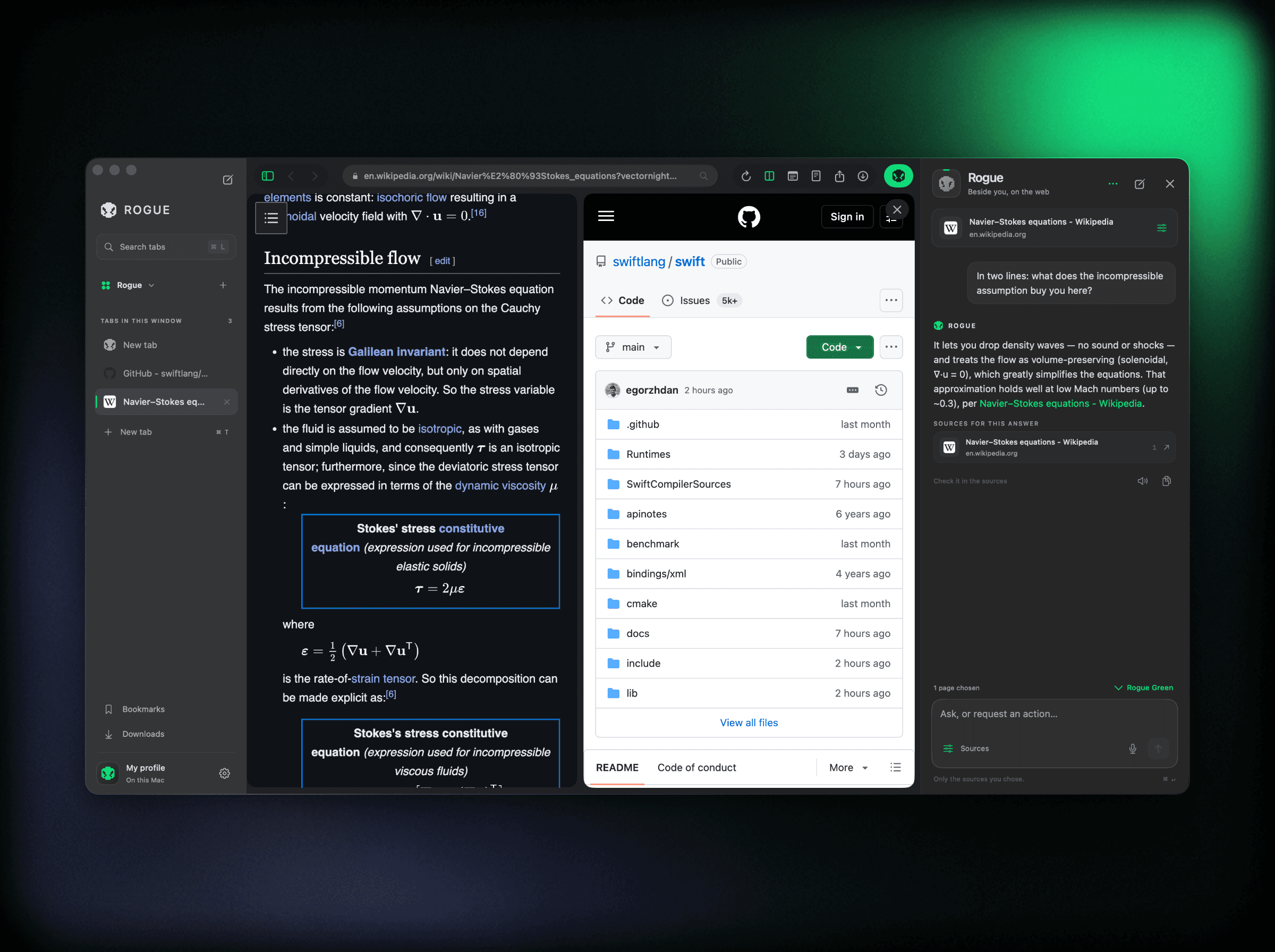
Split view puts two pages side by side when the comparison is the work, and the panel stays open next to both. Reader strips an article down to one column when it is not.
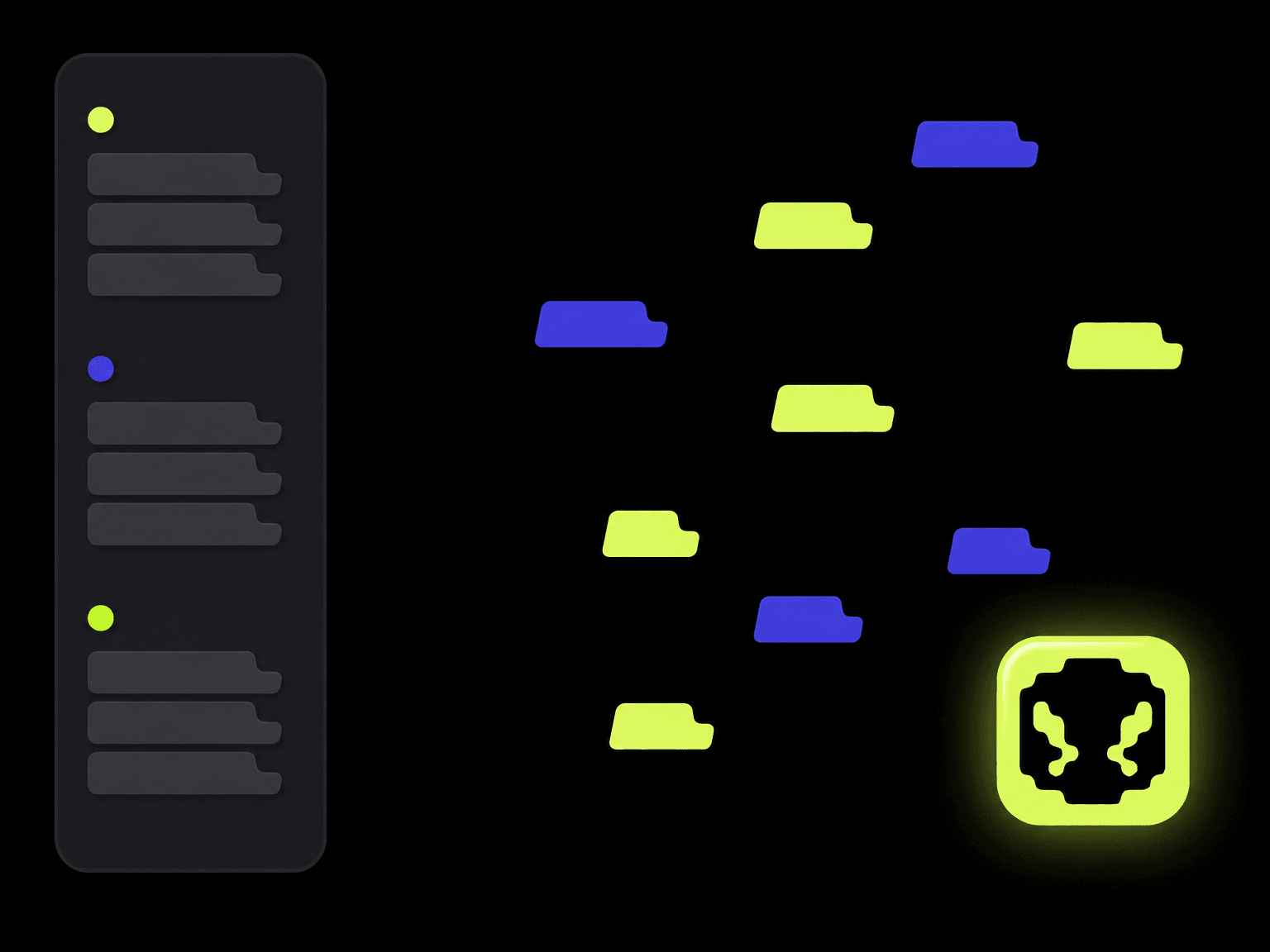
Spaces hold a set of tabs per project. When the set gets away from you, Rogue proposes groups from titles and addresses, and every proposal can be undone.

Speak instead of typing. The recogniser runs on device and refuses to start without local support, the microphone only opens when you press the button, and the draft is still yours to send.

The limits below are in the code, not in a promise
Three steps, about two minutes
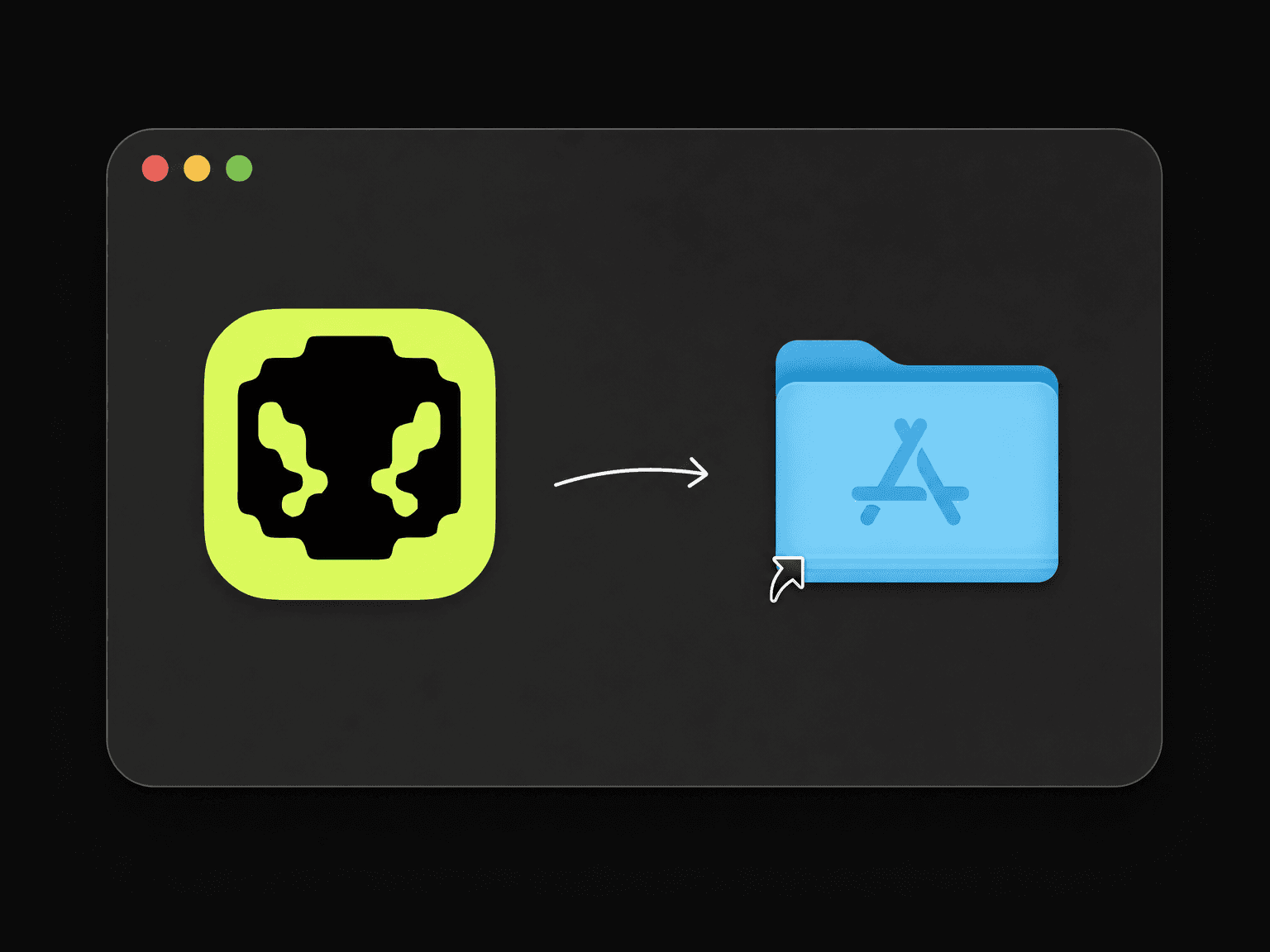
Open the disk image and drag Rogue Browser onto the Applications folder next to it.
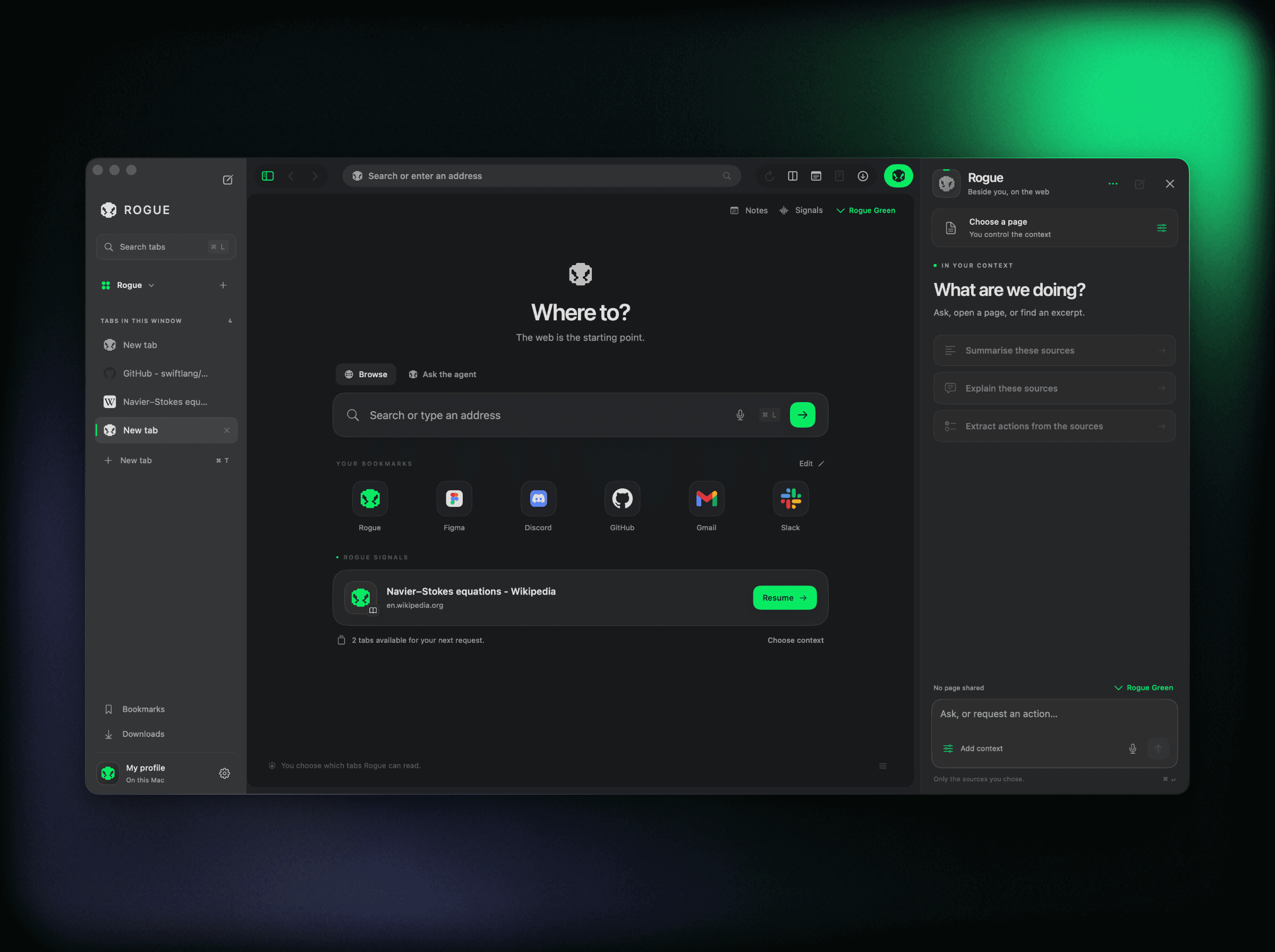
Any page you already read. Press the Rogue button in the toolbar, or Command J.
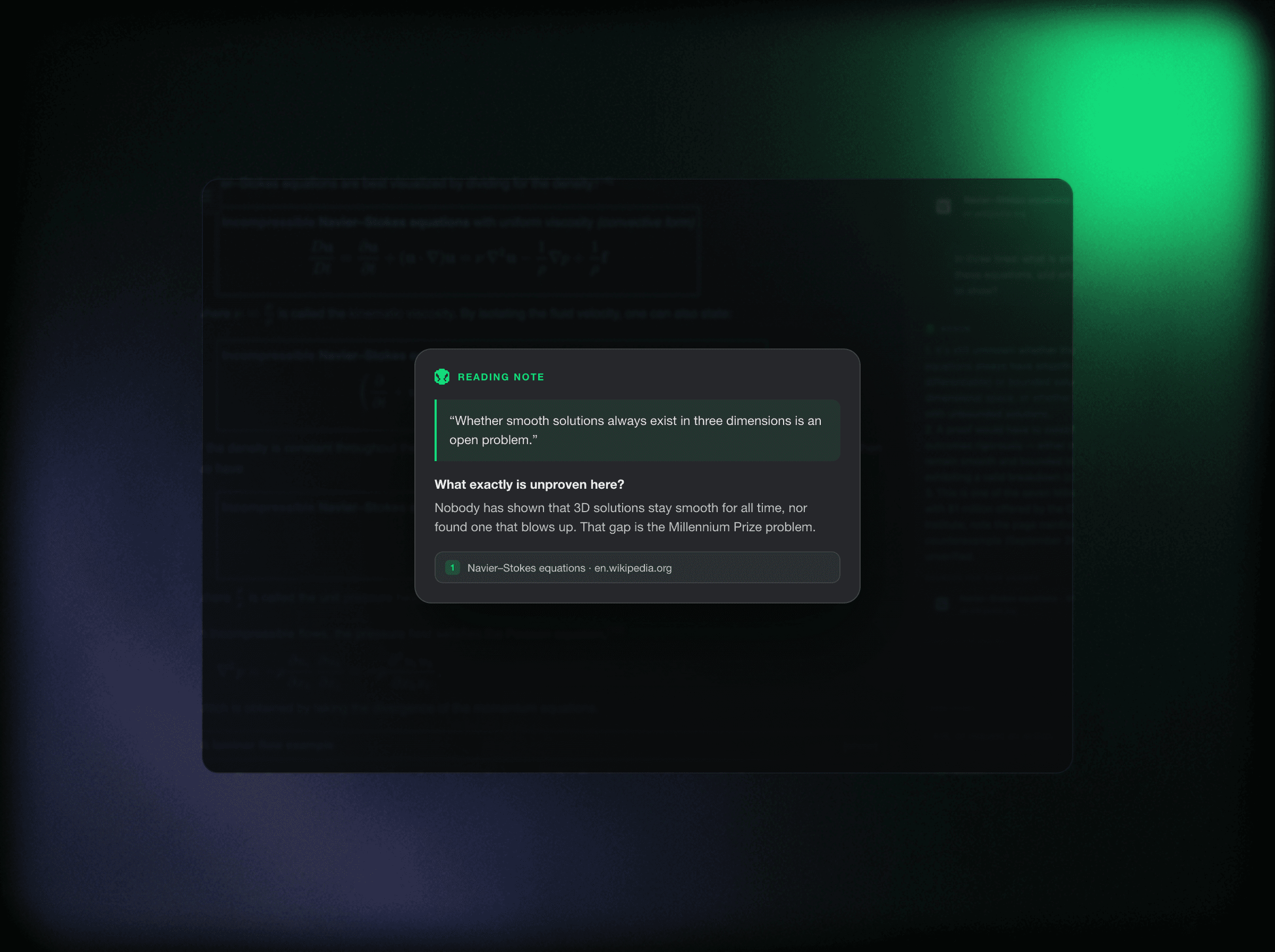
Ask about the page, select the tabs that matter, and save what you want as a note with its source.
Free developer preview. It updates itself from here on.
Download for MacThis preview is signed with a development certificate and is not notarized yet, so macOS asks the first time. Right click the app in Applications and choose Open, or allow it in System Settings under Privacy & Security.